Four Years of Questions
Four years. Exactly forty-eight months.
Today, on this July 15th, many questions come to mind... where is she now?
What does her life look like today? Does she still wake up every morning and go to the classroom to teach children? Or did the gossip and judgment around her force her to leave that life behind?
What happens when she walks through her neighborhood? Do people remember her for her courage, honesty, and strength? Or do they still see her only as the daughter of a man who was accused of a pedophile?
Did her family slowly heal with time? Did the broken trust ever return? Did her mother finally find some peace? Or are they still living with the pain, carrying memories they can never escape?
Was what she did really heroism?
As a teacher, was she simply doing her duty—to protect innocent children at any cost? Or did she hold on to her principles so strongly that she forgot what it meant to protect her own family?
Most of us are raised to protect our family first. No matter how wrong they are, our first instinct is to stand by them. That is basic human instinct; to protect own blood. And she shattered that biological blueprint.
That is why her story is so difficult. Many people won't see her as a hero. They will only see a daughter who stood against her own father. For them, family comes before everything else.
And for a family that has lost its name, respect, and peace, words like "justice" don't make life easier. To a grieving, humiliated family, the word "Justice" is a luxury they cannot afford. It sounds cold, hollow, and abstract. Justice doesn't stop people from judging. It doesn't erase the whispers. It doesn't heal a broken home.
Then think about her mother... watching her family fall apart and her agony about two daughters. Think about her younger sister, years later, asking the hardest question of all:
“Why couldn't you just save him? He was our father.”
Four years of haunting questions.
Four years of unforgettable emotions.
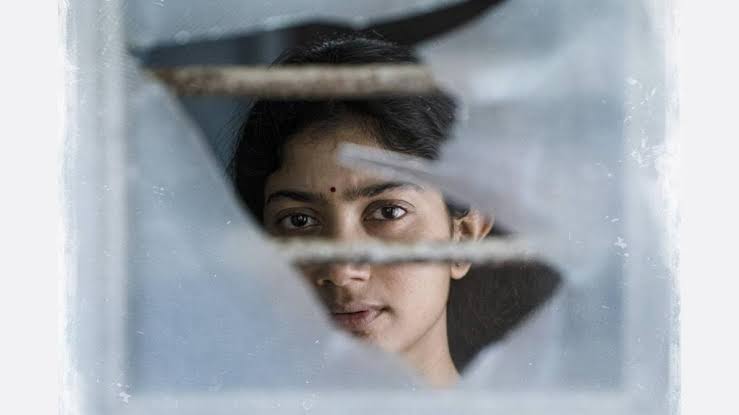
An Open Bleeding Window into a Soul that Refuses to Break
Gargi · A Masterpiece of World CinemaGautham Ramachandran’s Gargi is a cinematic piece that deliberately strips away the comforting armor of commercial cinema, leaving the audience exposed to the raw, unpolished, and devastating realities of human nature, systemic apathy, and the fragile illusions of familial love.
The Narrative and Screenplay: A Slow Burning Precision
At first, the story written by Gautham Ramachandran and Hariharan Raju feels like a normal investigation or courtroom drama. A terrible crime happens to a young girl, an innocent-looking middle-class man is arrested, and his daughter does everything she can to prove that he is innocent.
But that's where the brilliance of the screenplay begins.
This is not just a "who did it?" story. It slowly becomes an emotional trap. With every step Gargi takes to save her father, her own life becomes more difficult. The case moves forward, but her world keeps becoming smaller. She faces more pressure, more judgment, and more emotional pain.
The film takes its time. It shows simple everyday moments: a leaking roof, school corridors, an old scooter, and ordinary family life. These small details make everything feel real.
So when the truth finally comes out in the last part of the film, it doesn't just surprise us... it completely breaks us.
The writing avoids twists, ensuring that the climax feels less like a surprise shock and more like an inevitable, devastating emotional reckoning.
Direction and Craft: Capturing the Suffocation
Gautham Ramachandran's Direction
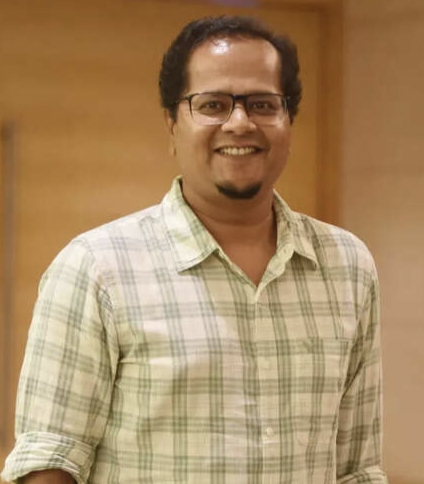
Gautham Ramachandran's direction is special because he never tries to make the story louder than it needs to be. With such a sensitive subject, it would have been easy to add unnecessary drama or shocking scenes. Instead, he tells the story in a calm, realistic, and deeply emotional way.
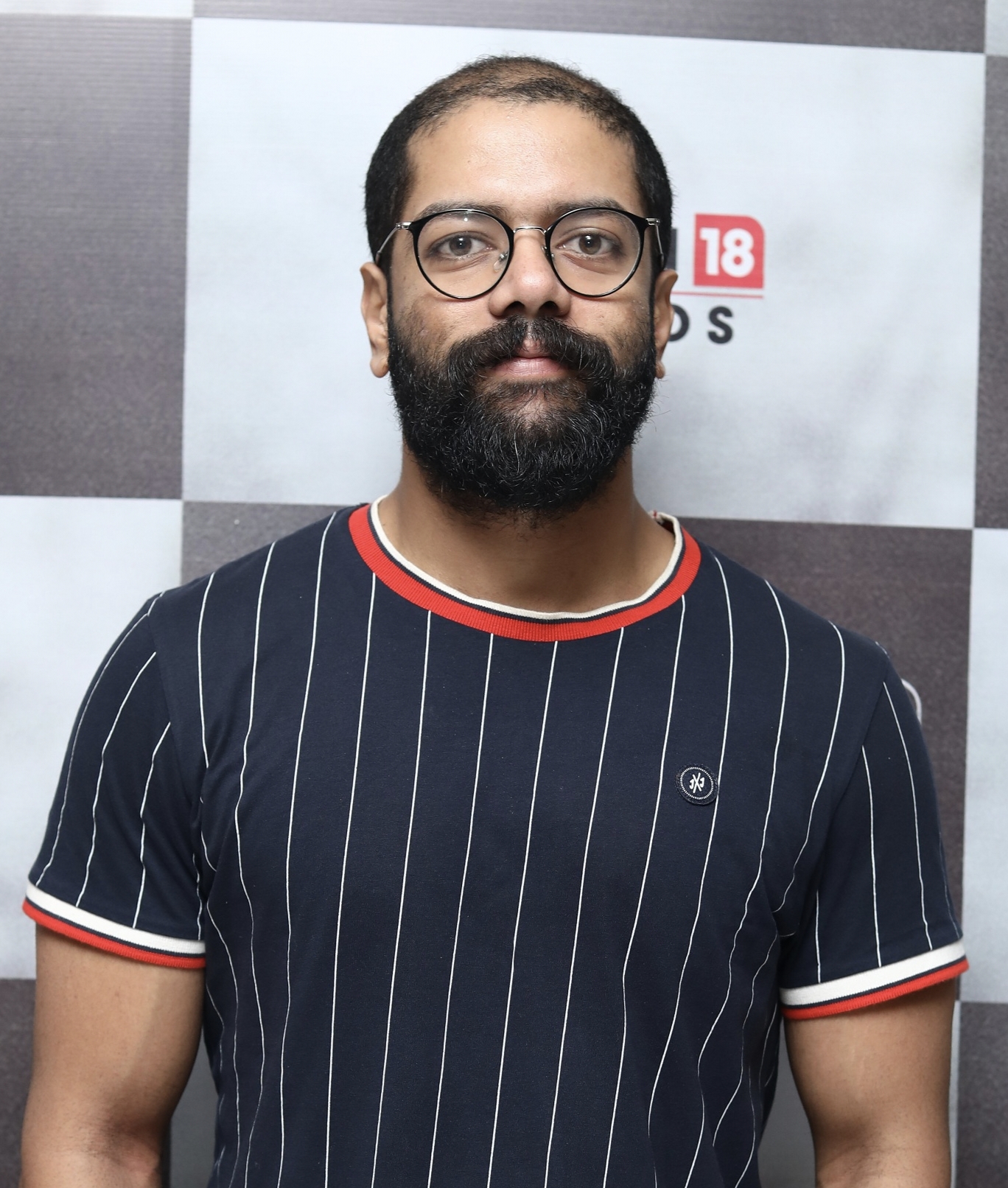
His own journey makes this restraint even more interesting. A qualified lawyer who once worked in London, he left that career behind, studied filmmaking, and learned the craft as an assistant to directors like Rajeev Menon and Mysskin before making his debut with Richie in 2017. That legal training quietly shapes every frame of Gargi; the courtroom scenes feel authentic because they are built by someone who understands how the system actually works.
With Gargi, his second film, he did not just direct; he co-wrote and co-produced it, protecting the story from every commercial compromise. Even the title carries his intent: Gargi is named after the ancient philosopher, a woman celebrated for her fearless intellect. It is a film made with conviction, not calculation.
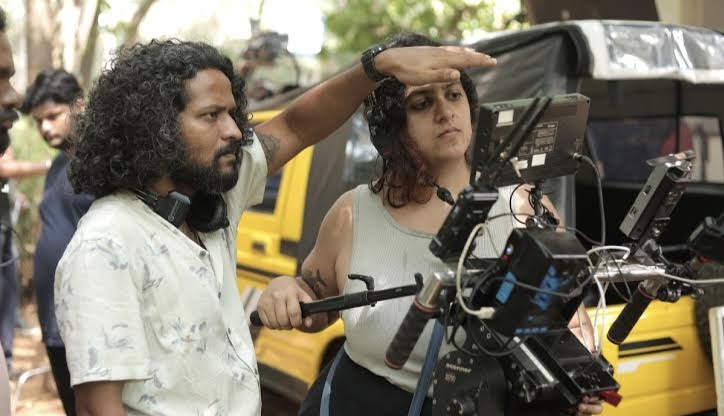
The cinematography by Sraiyanti and Premkrishna Akkattu, a husband and wife duo working as one eye, makes us feel exactly what Gargi is going through. The close camera shots and tight frames make her world feel smaller and more suffocating with every scene. Instead of making the film look stylish or flashy, they keep everything natural with soft, muted colours that make the story feel real.
Editor Shafique Mohamed Ali also deserves credit. He doesn't rush from one scene to another. He lets important moments stay on screen, giving us time to feel every emotion. In the final courtroom scenes, those long pauses make the truth hit even harder.
Govind Vasantha's background score is beautifully controlled. It never tells us when to cry or what to feel. Instead, it stays in the background, creating a constant feeling of tension. And during the film's biggest moments, the music almost disappears, letting the silence speak louder than anything else.
The songs follow the same discipline. With lyrics by Karthik Netha, the album keeps its tracks brief and rooted in Gargi's world; pieces like "Chinna Maamiye" rise gently out of the story instead of stopping it. There are no dance numbers, no glamour breaks; every note exists only to carry her emotion forward.
When the Right Script Finally Found the Right Actor
Before Sai Pallavi came on board, the script of Gargi had already reached a few other actresses. But fate had something else in mind.
The script was later emailed to Sai Pallavi. She read it, took around 10 days to think about it, and then called director Gautham Ramachandran.
Instead of talking about dates or shooting schedules, she asked him one simple question:
“Why do you want to tell this story?”
“I think it is a valid perspective; I want to voice it from this house, and not from that house.”
That one answer was enough. It told her everything about the film he wanted to make, and Sai Pallavi said yes to Gargi.
Sometimes people say a script finds its actor. Gargi is one of those rare examples. The script found Sai Pallavi, and from that moment, the character was in the safest hands. Her honesty, attention to small details, and emotional depth made Gargi feel completely real.
From Sai Pallavi to Gargi: The Point Where the Actor Disappears
“I make sure I understand what the director had in his mind when he wrote it. For me to sync with the character he wrote, I need to know his version of the character first; take it within myself, process it, and then do it in my own way.”
This simple-sounding sentence is, in fact, a textbook description of one of the most respected acting disciplines in world cinema. Sai Pallavi's process moves in two clear stages. First comes absorption: she refuses to build the character from her own assumptions and instead goes to the source, the writer-director's version, the way Stella Adler taught generations of actors that the truth of a character lives in the author's intent. Then comes internalization: she takes that version inside herself, processes it, and returns it in her own body and voice. This is the heart of what Konstantin Stanislavski called “living the part”; not performing a character from the outside, but letting the character take residence within.
“Once the character becomes her second nature, she starts correcting me; ‘Gargi will not do it like this.’”
Think about what that means. The director who wrote Gargi, who lived with her on the page for years, is being corrected about his own creation; because by then, the character no longer belonged only to the page. The way Gargi hangs her bag the moment she returns from school, before she says a single word. The line she wrote on her classroom blackboard while conducting an exam, which the director never asked for, never wrote, never imagined:
These were not instructions. They were the character herself, acting through the actor.
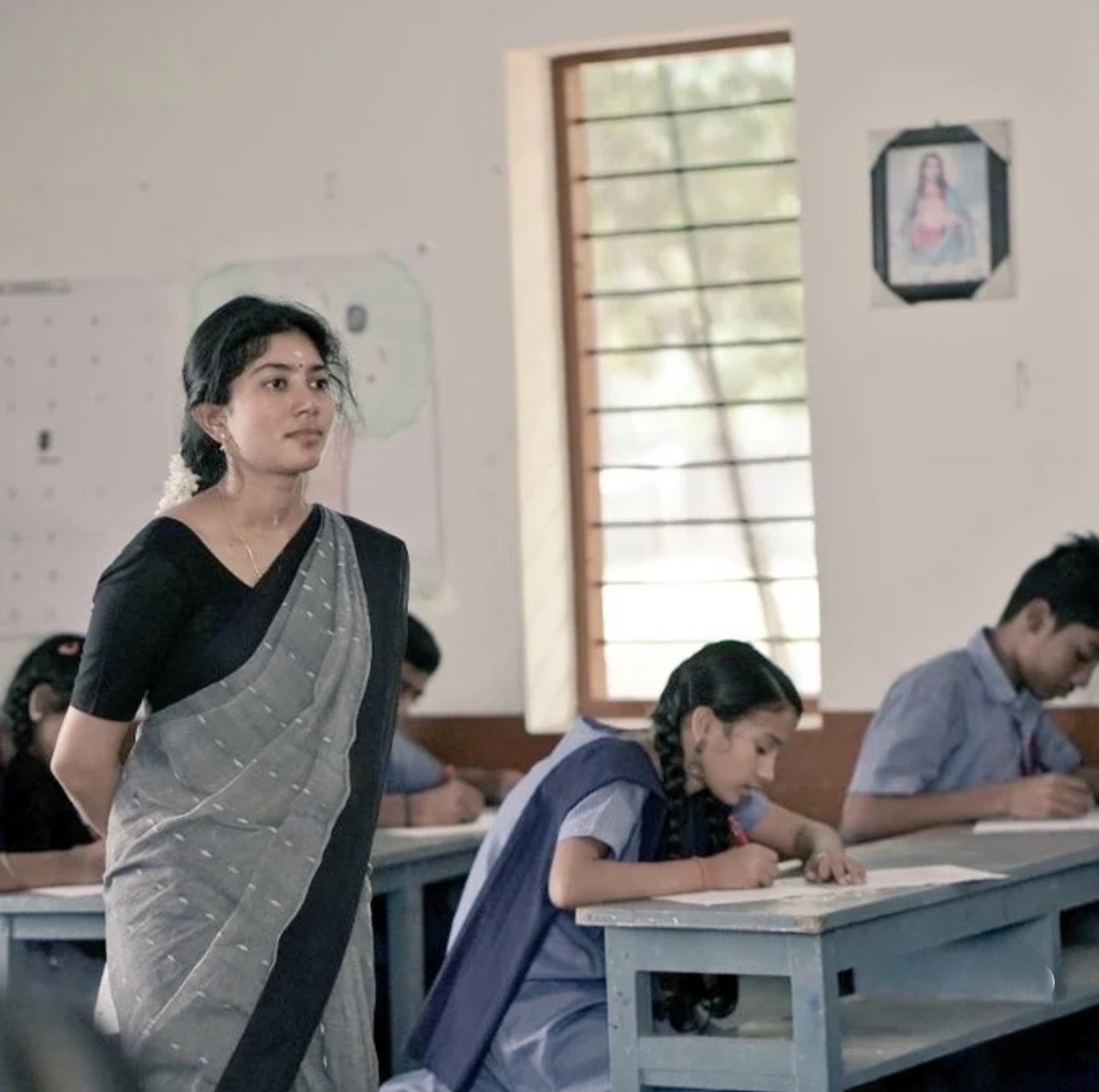
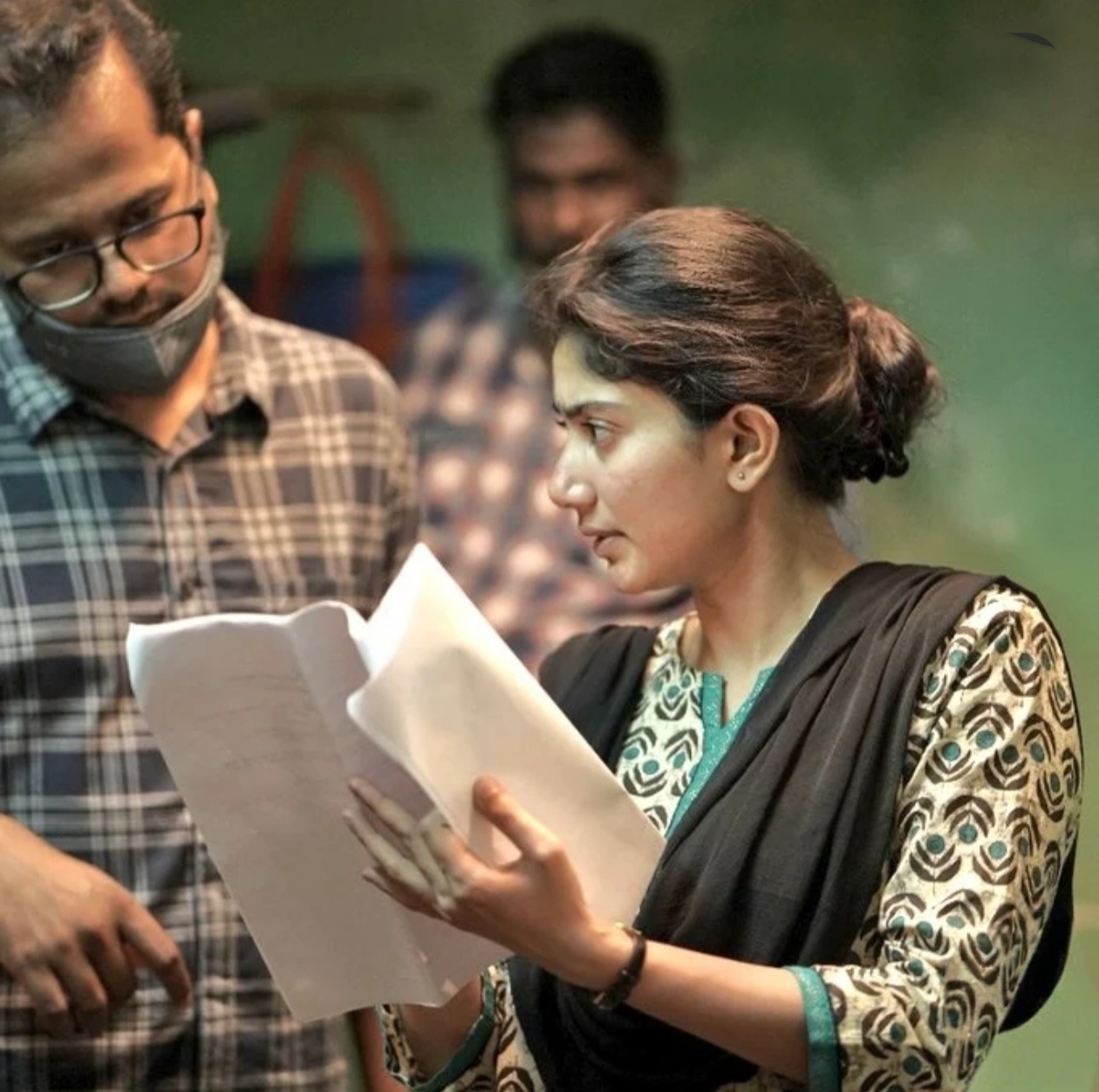
In international acting vocabulary, these actor-generated details are what Michael Chekhov called the psychological gesture; the small physical truths that reveal an entire inner life. It is the same total immersion the world celebrates in Daniel Day-Lewis, who stays in character between takes. Sanford Meisner defined great acting as “living truthfully under imaginary circumstances”; and a schoolteacher's bag finding its hook before her voice finds a word is exactly that truth.
She occupies Gargi's space; her mannerisms, her micro-expressions, her handwriting on a blackboard. By the time the camera rolls, there is no Sai Pallavi left in the frame to watch.
Her Own Voice in Kannada
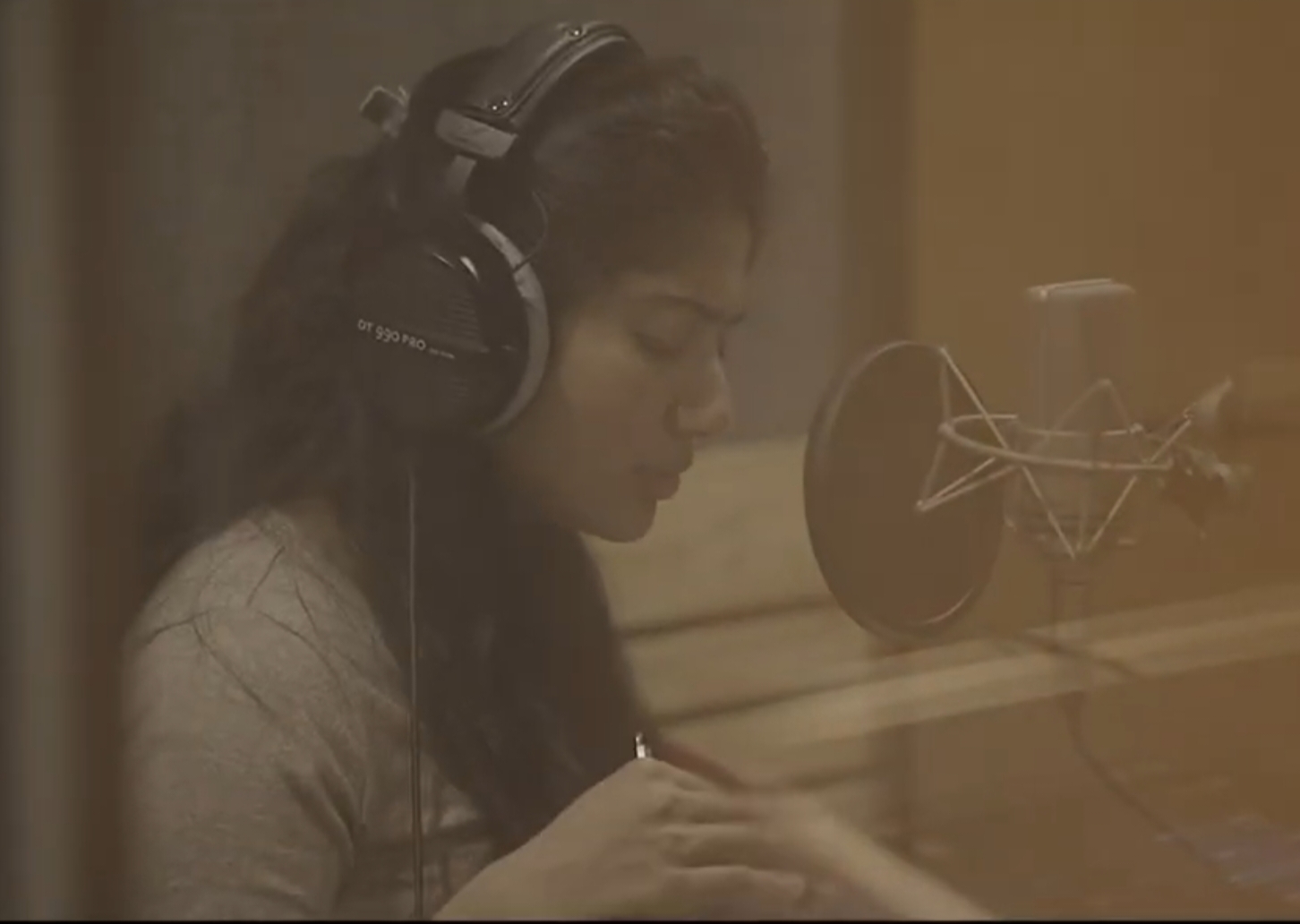
The commitment did not stop at the performance. For the Kannada version of Gargi, Sai Pallavi dubbed her own lines, marking her debut in the language; despite not being fluent in it. She put in significant effort to learn every dialogue and deliver it authentically, refusing the easier, industry-standard route of handing her voice to a dubbing artist.
The effort did not go unnoticed. Actor Rakshit Shetty, who presented the Kannada version, publicly applauded her dedication on social media, while fans and reviewers hailed her passion, her flawless delivery, and her commitment to cinema as “next level.” For an actor to carry a character through an entire film and then carry her again, syllable by syllable, into a language she was still learning; that is devotion to craft in its purest form.
The Project Became Bigger: Suriya and Jyothika Came Forward
When the team behind Gargi was searching for the right backing, the project found champions of the highest order. Actor Suriya and Jyothika's 2D Entertainment stepped forward to present the film, giving a quiet, uncompromising courtroom drama the reach and dignity of a mainstream release. Suriya expressed publicly that they were drawn to the project because “new thoughts and writing must be celebrated.”
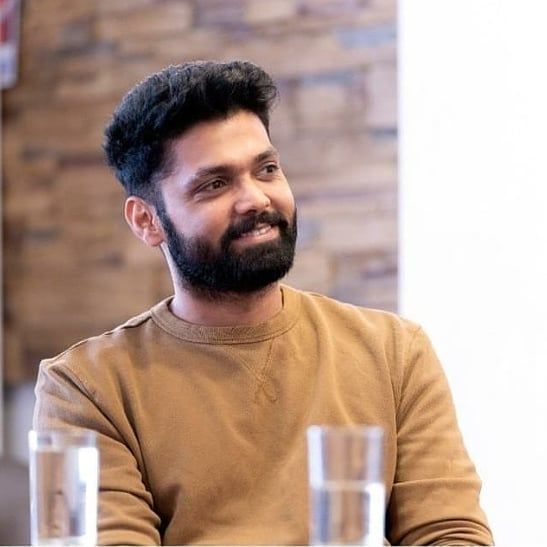
Sakthi Film Factory joined hands with 2D Entertainment for the film's Tamil Nadu theatrical release, ensuring Gargi reached screens across the state. The Telugu version found an equally strong champion: Rana Daggubati presented it through his banner Suresh Productions, playing a key role in the Telugu distribution alongside Global Cinemas. And the belief in the film crossed one more border: actor-filmmaker Rakshit Shetty's Paramvah Studios took up the presentation and distribution of Gargi's Kannada version, carrying her story to Kannada audiences. When artists of this stature stand behind a film, it says everything about the strength of its writing.
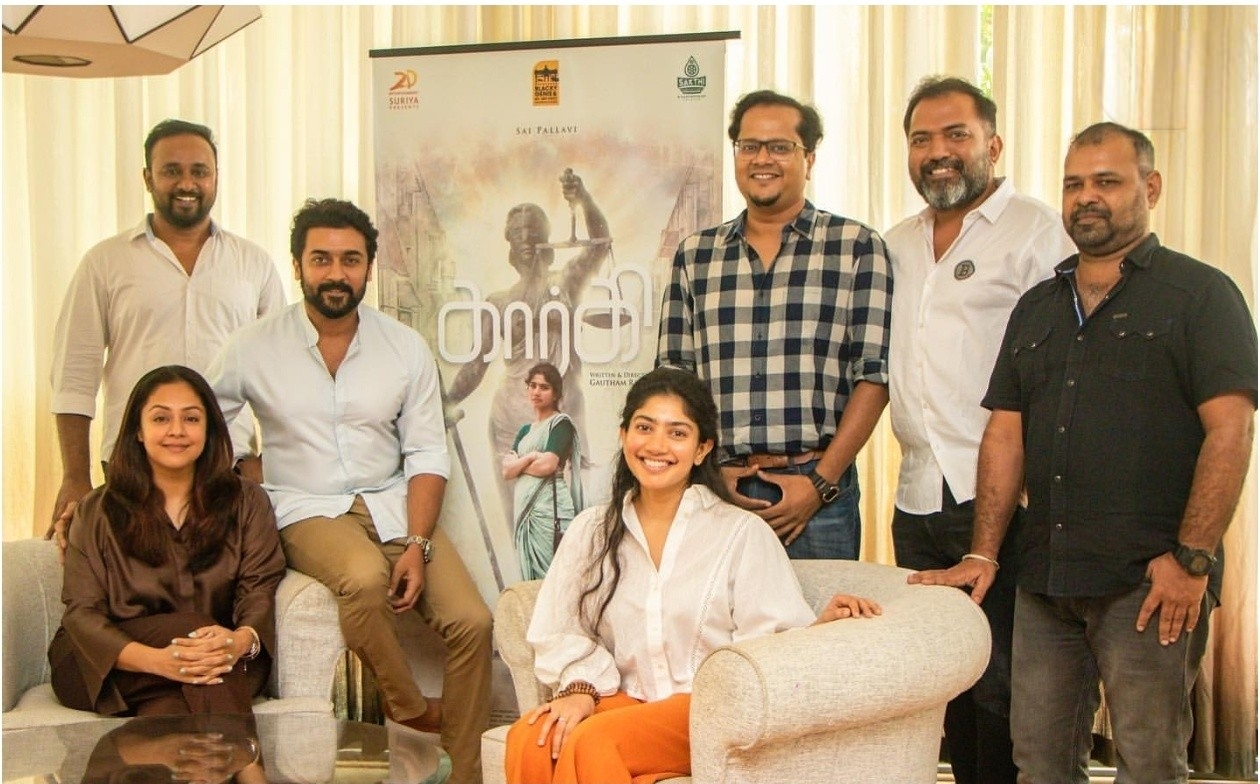
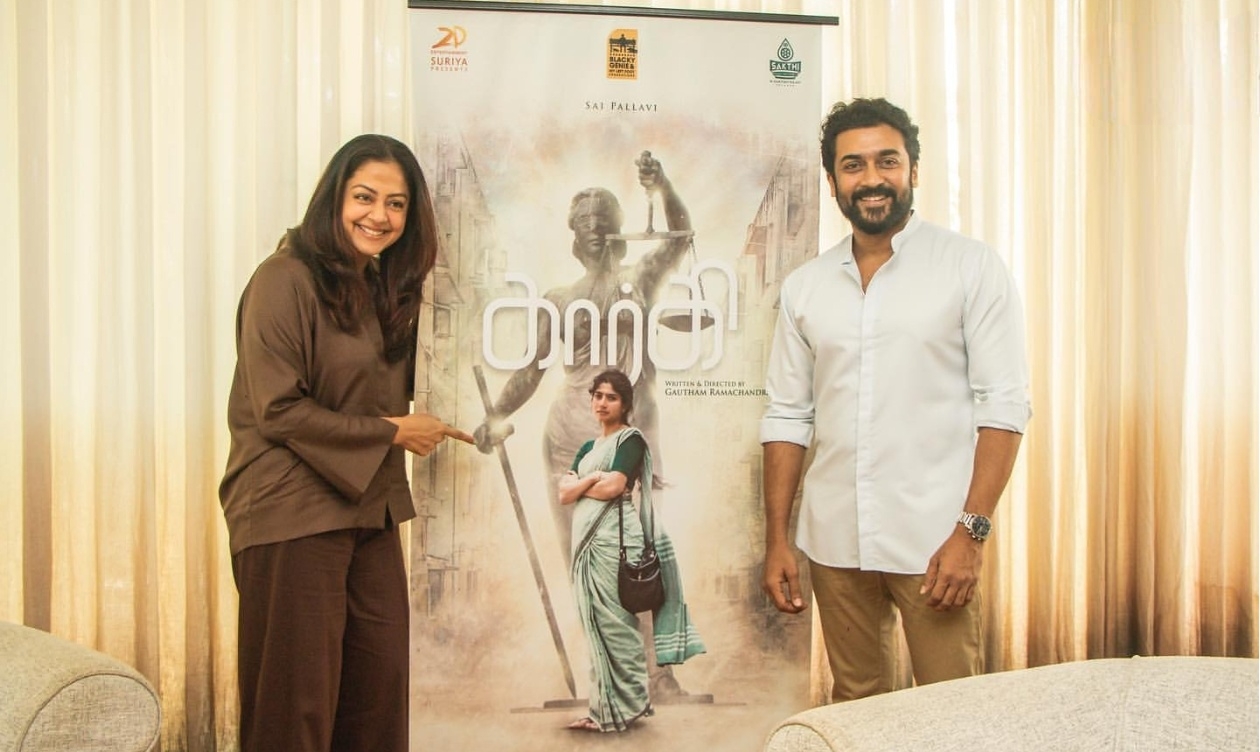
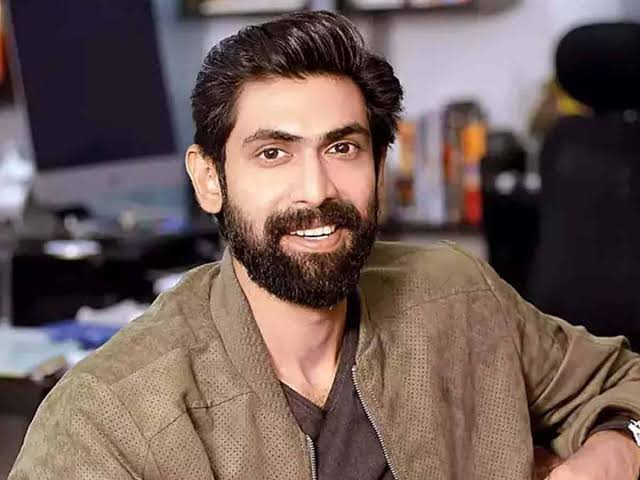
On May 9, 2022, her birthday, Sai Pallavi officially introduced Gargi to the world through an Instagram post. Along with the film’s first look, she wrote:
I waited months to talk about this film, And finally!!! my birthday is when the stubborn team decided to give in and release this ☺️ Presenting to you, GARGI ❤️, @gautham_chandran’s brain child!
Those few lines perfectly captured her excitement and emotional connection to the project. It was the first public glimpse of Gargi; a film that would later become one of the most celebrated performances of her career, and a performance India can proudly showcase in front of world cinema.
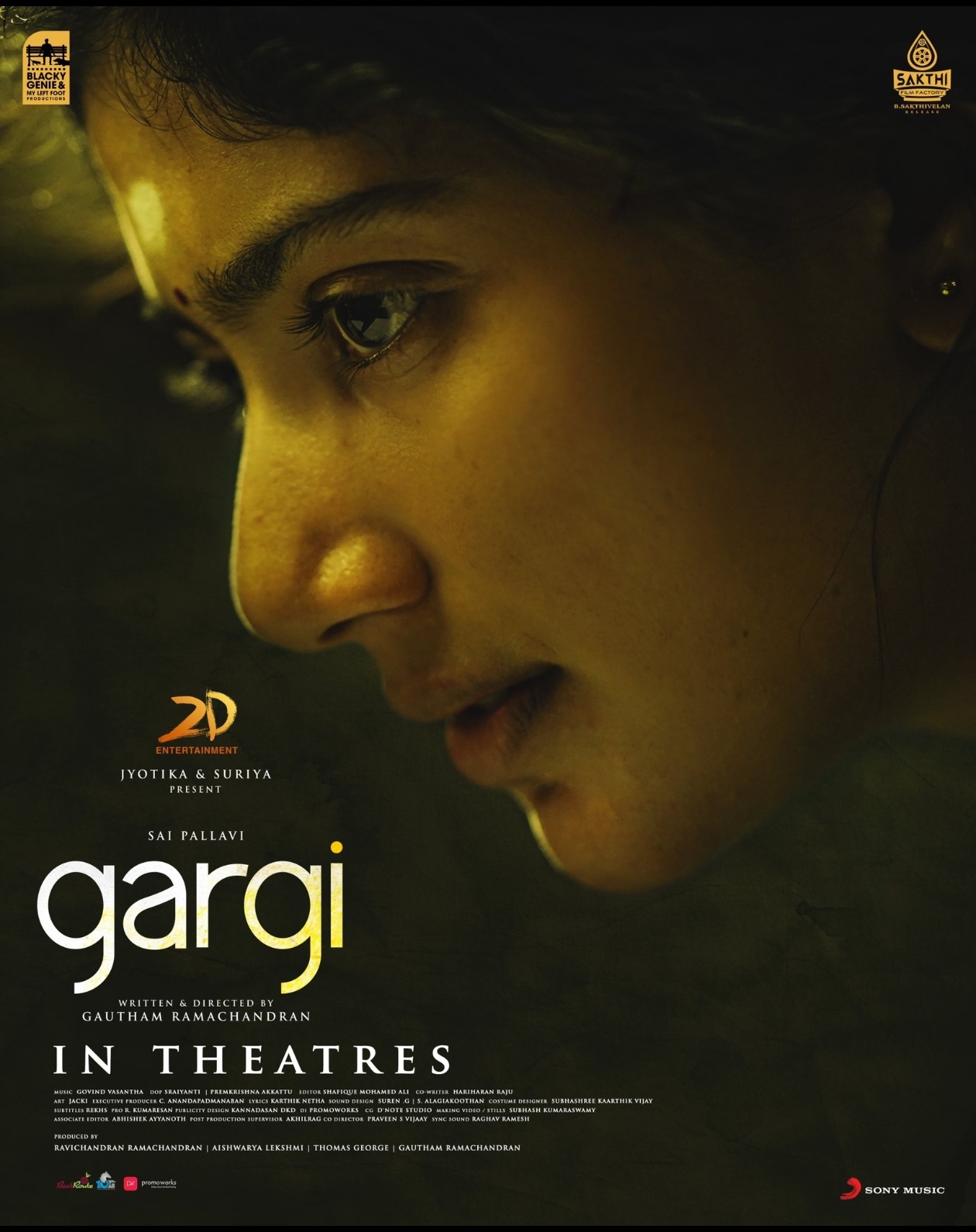
The Performance: Sai Pallavi’s Masterclass in Internalized Pain
Even though every technical department does a brilliant job, Gargi is finally carried by Sai Pallavi's extraordinary performance. This is one of the finest performances of World Cinema. She completely leaves behind the image of a "star" and becomes Gargi. What makes her acting so special is how little she does, yet how deeply we feel every emotion.
For most of the film, Gargi cannot afford to break down because she is the only person holding her family together. Sai Pallavi shows this through small details. You can see the tiredness in her body, the constant fear in her eyes, and the pain she carries in every scene, especially when she interacts with Kaali Venkat's character Indrans. She never depends on long emotional speeches.
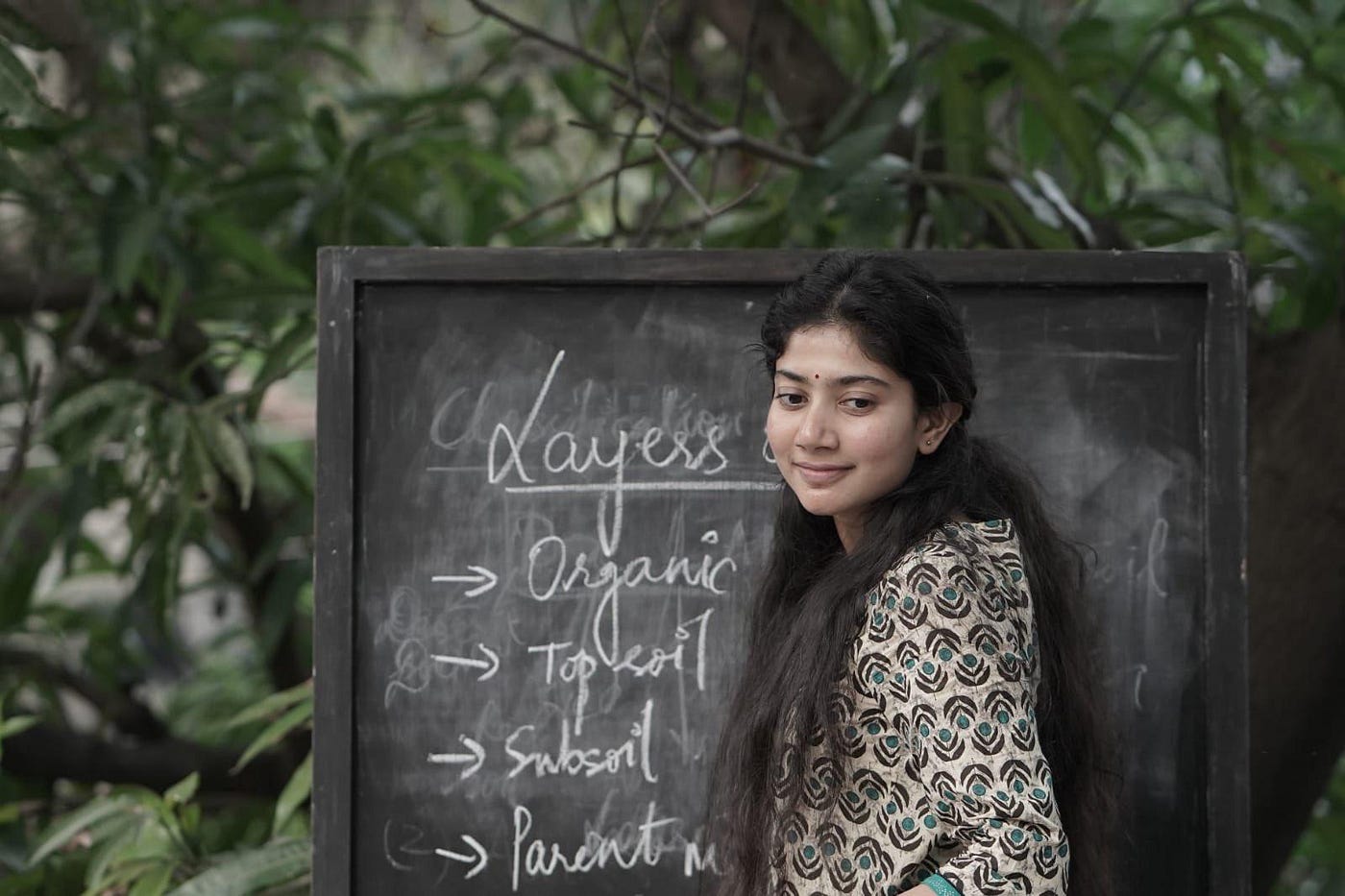
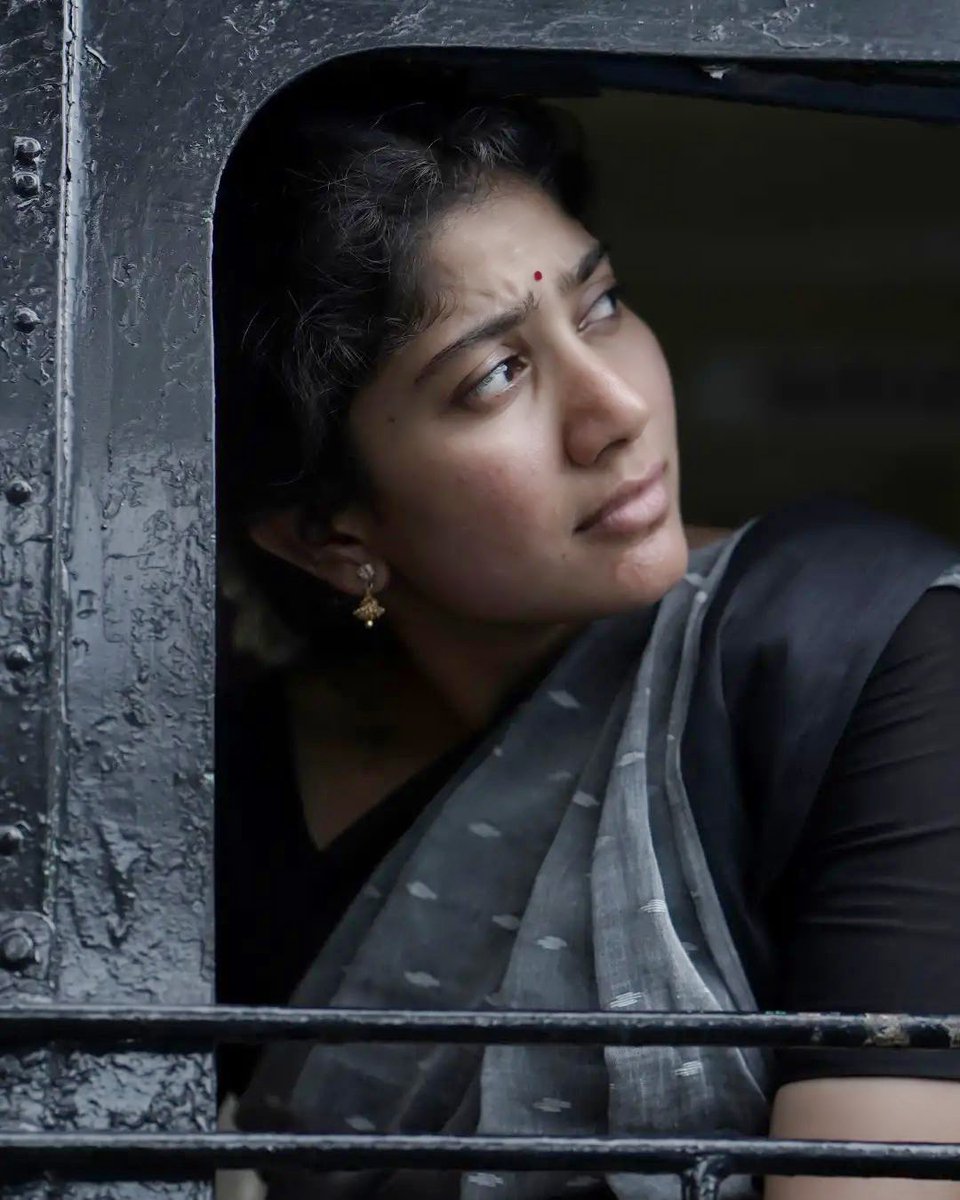
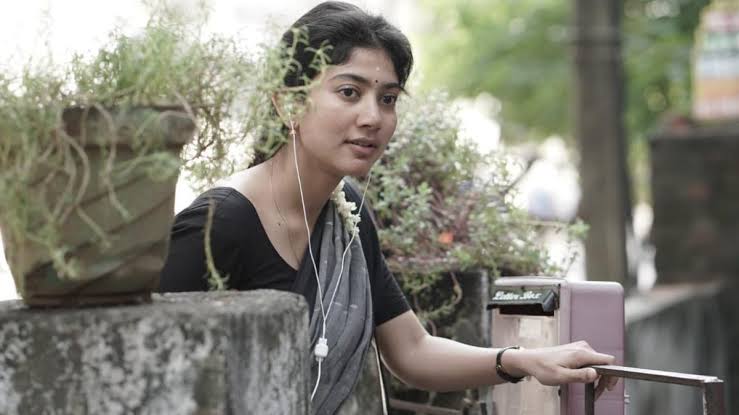
Her courage is seen in small moments; when neighbours shut their doors on her, when officials ignore her, and when her voice trembles but she still refuses to give up.
The Architecture of Stillness: Sai Pallavi’s Tour de Force
To understand how great Sai Pallavi is in Gargi, we have to look beyond Indian cinema. In many commercial films, grief is shown through loud crying, emotional dialogues, and dramatic background music. Sai Pallavi completely avoids that style. Instead, she tells the story through silence, her eyes, and tiny facial expressions.
Her performance reminds us of world-class actors like Frances McDormand in Three Billboards Outside Ebbing, Missouri and Jeon Do-yeon in Secret Sunshine. Like them, Sai Pallavi proves that powerful acting doesn't always need words. Even when Gargi is insulted or humiliated, she doesn't cry or create a dramatic scene. She silently accepts the pain, gathers herself, and keeps moving forward.
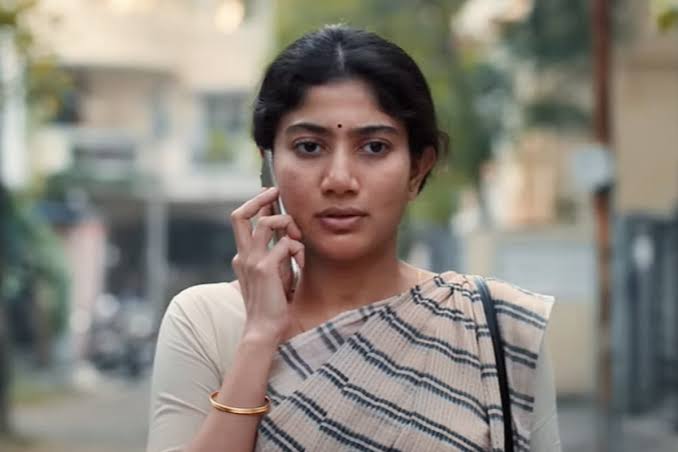
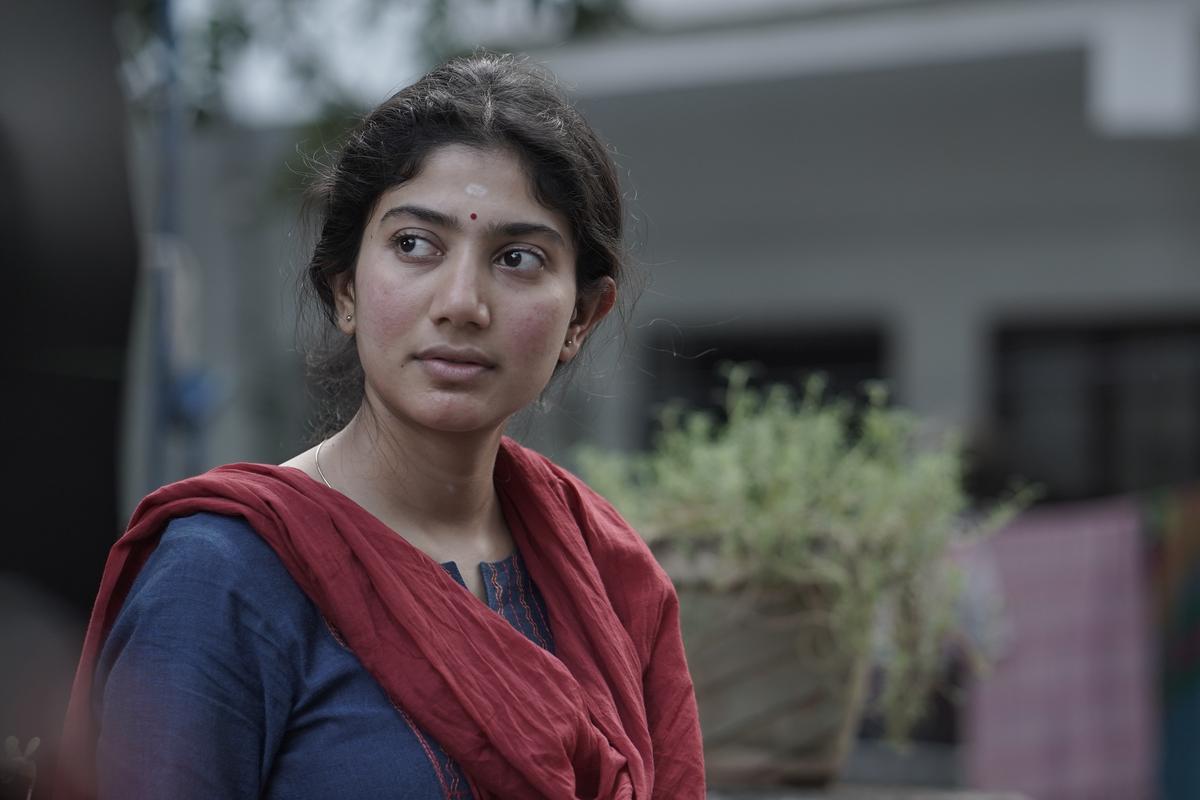
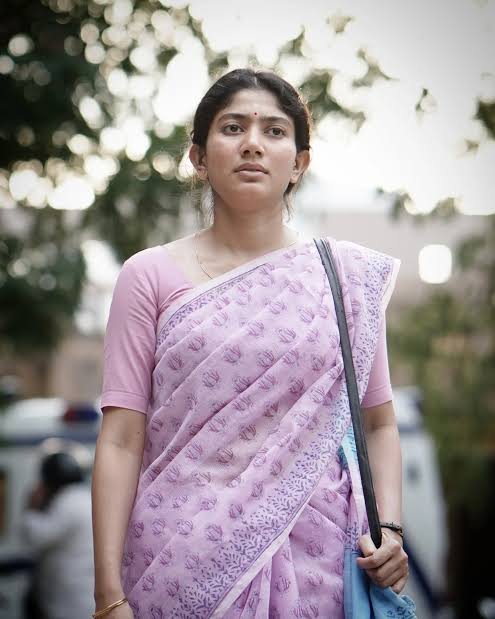
That silent strength is what makes the performance unforgettable.
The Climax: A Global Benchmark in Silent Trauma
The final courtroom scene is one of the greatest moments of Sai Pallavi's career. When Gargi finally learns the truth about her father, there are almost no words. The camera stays focused on her face, and she tells the entire story without speaking. In just one minute, we see shock, disbelief, disgust, heartbreak, and the painful moment when an innocent daughter disappears and a deeply wounded woman is born.
This silent transformation stands alongside the finest psychological performances by Isabelle Huppert and Anthony Hopkins in The Father. Sai Pallavi doesn't scream or cry loudly. She chooses silence; and that silence says more than any dialogue ever could.
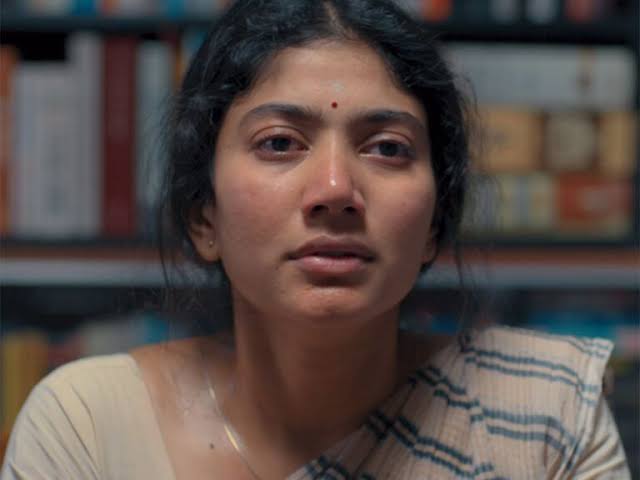
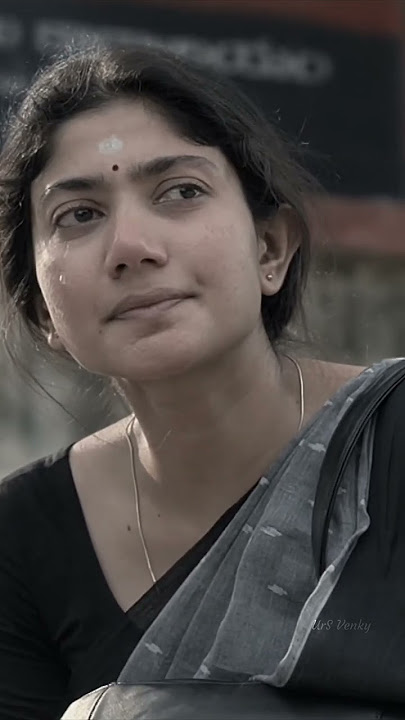
With this performance, Sai Pallavi elevates Gargi beyond being just a social drama. It becomes a timeless story about truth, pain, courage, and humanity. She proves that the most powerful thing in cinema is not a big dialogue or a loud background score; it is the human face, honestly reflecting every emotion.
The Supporting Fabric
A review of Gargi is incomplete without mentioning the supporting cast.
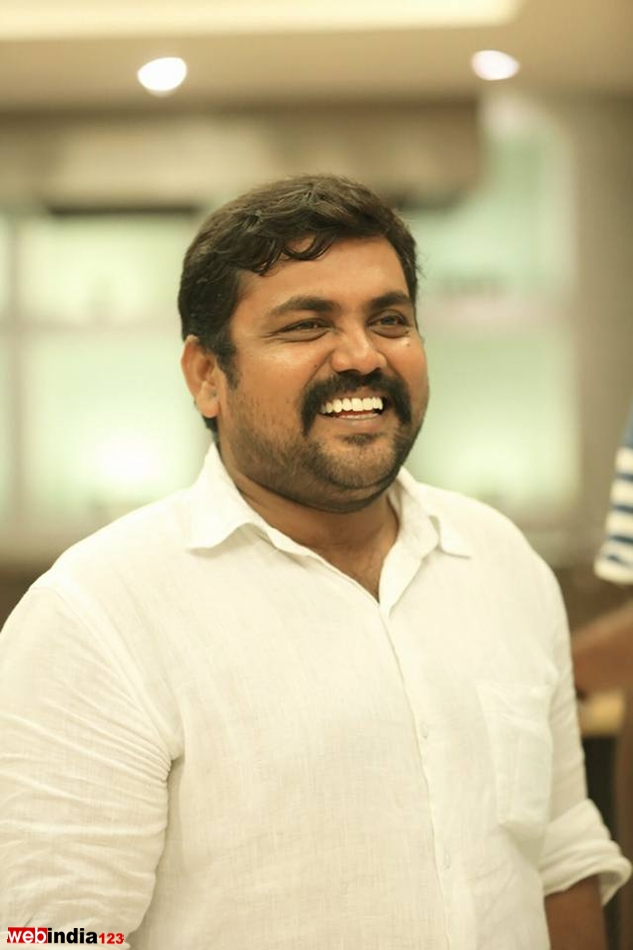
Kaali Venkat delivers a career best performance as the underconfident, stuttering lawyer Indrans. He provides the film with its rare, breathing moments of warmth, representing the small glimmers of human decency in an otherwise dark universe. A lesser film would have used him only for comic relief; Gargi instead lets him grow, scene by scene, from a hesitant junior nobody trusts into the one voice in the courtroom still searching for the truth. The stutter never becomes a joke; it becomes his honesty. His sweep of Best Supporting Actor honours at Filmfare, SIIMA, and the Cinema Vikatan Awards was not just deserved, it was inevitable.
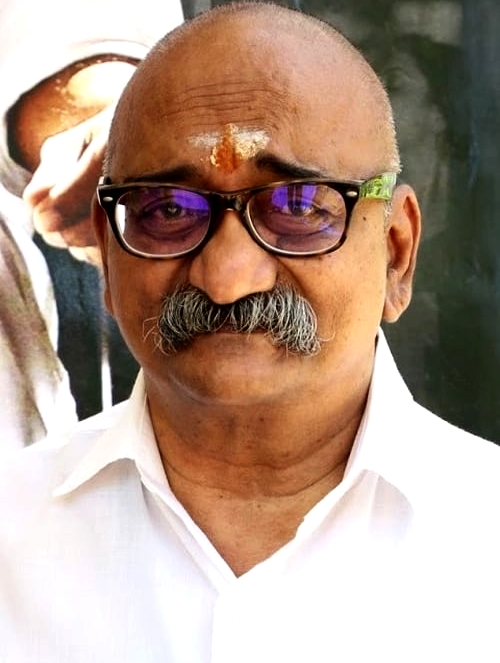
R. S. Shivaji, playing the father, handles a deeply complex, repulsive arc with a delicate balance of pathetic vulnerability and hidden malice, making the final revelation hit even harder. A beloved character actor with decades of Tamil cinema behind him, he passed away on September 2, 2023, following a heart attack in Chennai; a little over a year after Gargi reached theatres. He lived to see the film embraced and celebrated, and Gargi stands as one of the last great performances of his long career. Every time the film is watched, remembered, or celebrated, a part of him lives on with it.

Aishwarya Lekshmi wears two hats in Gargi. Behind the camera, she stood with the film as its co-producer, backing a story most of the industry would have hesitated to touch. On screen, she appears in a brief but memorable cameo as Ahalya, a media reporter. And in a recent revelation, she shared that the film came to her first; she was approached to play the central character herself, but she believed the role needed an actor with greater star value to carry its message farther, and gracefully stepped aside. It is a rare kind of honesty in an industry where opportunities are guarded, not given away. Very few artists would let go of a role of a lifetime and then stay back to build the very film they surrendered, which is a selfless decision.
“The central role of Gargi was offered to me first, before anyone else. Back then, I felt a story this important deserved a bigger star, someone who could take it to the widest audience possible. But if that script came to me today, I would choose it without a second thought.”
The Sisterhood of Pain
Where family, society, and words fail and silence becomes the only answer.
In that room, Gargi realized that the life she knew was a lie. Her father, the man she loved and trusted most, was a stranger to her then.
Up until that final moment, Gargi had been operating under a beautiful delusion. She had possessed a childlike trust in her father. To her, he was the gentle, hardworking guardian who could do no wrong.
When the truth hit, that father died. The safe, warm childhood memory Gargi had cherished was instantly violated and destroyed. It was a shared loss. The little girl became a victim because of what Brahmanandam did to her. Gargi also became a victim because of who Brahmanandam was. And the predator was the same person.
Both of them had had their lives completely shattered by the exact same man. The weapon used against the child was physical violence; the weapon used against Gargi was a lifetime of psychological deception. They were then two halves of the same tragedy; one bearing the physical scars of his crime, and the other bearing the emotional wreckage of his betrayal. It was a parallel betrayal.
Gargi also had similar bad memories from her own school days, inflicted by a teacher, which allowed her to easily connect with the young girl. When Gargi stepped across that room to stand with the girl, it was not an act of heroism, holding justice or principles. It was choosing the sisterhood of pain over blood. In the end, Gargi did not just save the victim; she joined her. They became two women haunted by the same ghost, holding hands in the ruins of a life that a single man destroyed.
What passed between them in that silent, shattered space was beyond words or explanation. It was a terrible, profound recognition that only the two of them could truly understand. No one else in that room, and no one else in society, ever could.
Time has not diminished the impact of her choice; it has only exposed its terrifying depth. We are left with the realization that true integrity is not a crown that honors you; it is a fire that leaves you standing entirely alone in the ashes of everything you once loved.
After all, being a woman in our society is not an easy task. It is a lifelong fight; and no matter how reluctant you are, you inevitably have to be a part of it.
Four years of unsettling truths.
Four years of a haunting masterpiece.
Awards and Recognitions
The State Honour · Tamil Nadu Government Award
Featured
“My heartfelt thanks to The Government of Tamil Nadu for this honor. Gargi, was made just to be the start of an important Conversation and after its release it did exactly what it set out to do. This recognition makes me feel like we have come full circle and I am home. I dedicate this award to dear R.S. Shivaji Sir and the entire team of Gargi.”
Sai Pallavi · Instagram